Bud Industries

Published on: October 29, 2025 by Josiah Haas
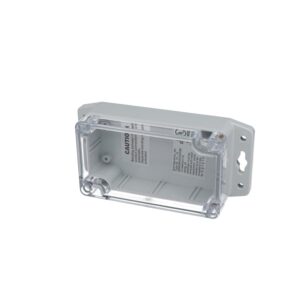
In today’s industrial landscape, electronic equipment faces an unforgiving array of environmental threats. From moisture and dust infiltration to temperature extremes and corrosive chemicals, these hazards can cause catastrophic failures, costly downtime and compromised safety. That’s where National Electrical Manufacturers Association (NEMA) enclosures become your first line of defense, providing precisely engineered protection tailored to specific environmental challenges.
Understanding how different NEMA enclosure ratings protect against various environmental hazards isn’t just about compliance — it is about ensuring reliability, reducing maintenance costs and protecting your investment in critical electronic systems. Whether you’re designing control systems for a food processing facility, installing network equipment in outdoor locations or protecting sensitive instrumentation in harsh industrial environments, selecting the right NEMA-rated environmental control enclosure can mean the difference between years of trouble-free operation and frequent, expensive failures.
Electronic equipment faces numerous environmental threats that can compromise performance, reduce lifespan, or cause complete system failure. Moisture represents one of the most pervasive dangers, with water ingress leading to short circuits, corrosion of internal components and insulation breakdown. This threat manifests in multiple forms: condensation from temperature fluctuations, direct water exposure from rain or snow in outdoor installations and pressurized water from industrial washdown procedures common in food processing and pharmaceutical facilities.
Particulate contamination presents another significant challenge. Fine dust particles can accumulate on circuit boards, causing overheating and electrical shorts, while larger debris can physically damage moving parts or block ventilation systems. In manufacturing environments, items such as metal filings, chemical residues, and airborne contaminants create additional layers of risk. Temperature extremes compound these problems, with excessive heat accelerating component degradation and thermal cycling causing expansion and contraction that can crack solder joints and damage sensitive electronics.
Corrosive agents pose particularly insidious threats in industrial settings. Chemical vapors, salt spray in marine environments, and acidic or alkaline substances can rapidly degrade both external enclosure materials and internal components.
UV radiation from sunlight breaks down plastic enclosures over time. These environmental factors rarely operate in isolation—outdoor equipment might simultaneously face moisture, temperature extremes, UV exposure and particulate contamination, making comprehensive protection essential.
A NEMA enclosure combats environmental hazards through carefully engineered design features that create protective barriers between sensitive electronics and hostile environments. The protection begins with robust sealing systems that prevent moisture ingress. NEMA 4X enclosures, for example, can utilize a continuous silicone gasket that meets stringent water resistance requirements, making them suitable for wet, dirty, and corrosive environments. Higher protection levels, such as NEMA 6 and 6P provide submersion resistance, with 6P offering protection against prolonged underwater exposure—critical for equipment in flood-prone areas or marine applications. A NEMA 6 and 6P design can use continuous molded silicone gasketing technology to ensure the highest level of sealing.
Material selection plays a crucial role in environmental protection. The Bud Industries NBF Series ABS plastic enclosures provide excellent chemical resistance and won’t rust or corrode, while our SNB Series stainless steel boxes offer the high strength of steel, corrosion resistance and outstanding protection against environmental contaminants. For maximum durability, die-cast aluminum environmental control enclosures combine lightweight construction with superior heat dissipation and electromagnetic interference shielding.
Different NEMA enclosure ratings address specific environmental challenges through targeted protection levels:
For more information on NEMA ratings and their applications, visit our comprehensive guide: Types of NEMA Enclosures | NEMA Ratings Explained.
The engineering behind NEMA protection extends beyond basic sealing. At many industrial plants, such as breweries and dairies, cleaning workers wash down equipment with a hose, risking damage to the circuitry used for machine controls. To protect sensitive controls on the factory floor, NEMA 4 (and NEMA 4X) is a popularly specified enclosure rating. These enclosures undergo rigorous testing to ensure they can withstand high-pressure water spray without compromising internal components.
Understanding the differences between NEMA 3 and NEMA 4 enclosures helps illustrate how protection levels scale with environmental demands. NEMA 3 enclosures protect against rain, sleet, snow and windblown dust, making them suitable for outdoor electrical panels, utility meters and general outdoor equipment installations where direct water spray is not expected. However, NEMA 4 enclosures go significantly further, offering protection against hose-directed water and splashing water in addition to the weather protection of NEMA 3.
This distinction makes NEMA 4 the preferred choice for food processing facilities, pharmaceutical plants and industrial washdown areas where equipment faces regular high-pressure cleaning. NEMA 3 works well for outdoor junction boxes and control panels in construction sites, while NEMA 4 becomes essential in environments like commercial kitchens and chemical processing plants where water exposure is more aggressive and frequent.
Enclosures may incorporate additional protective features like internal ventilation systems to manage heat buildup and specialized gaskets designed for specific chemical exposures. Bud Industries offers a PN-A Series of environmental control enclosures that increase the protection on Bud’s popular PN Series of polycarbonate plastic boxes to NEMA 6P and IP68 level ratings, providing submersion protection for the most demanding applications.
For applications requiring protection from wet, dirty, and corrosive environments, models like the NBF Series offer NEMA 4X/IP66 ratings with all-plastic construction, including hinges and latches, eliminating potential corrosion points. These environmental control enclosures feature stainless steel mounting hardware and can accommodate specialized requirements such as see-through doors for visual inspection of internal components.
Temperature management represents another critical aspect of environmental protection. Proper enclosure design includes considerations for thermal expansion, ventilation requirements and heat dissipation to prevent internal temperature buildup that could damage sensitive electronics. Some applications benefit from enclosures with built-in cooling systems or special thermal management features.
Environmental hazards pose significant threats to electronic equipment, but NEMA-rated environmental control enclosures provide proven protection against moisture, particulates, temperature extremes and corrosive agents. By understanding the specific environmental challenges your equipment faces and selecting the enclosures with appropriate NEMA ratings, you can ensure reliable operation while minimizing maintenance costs and extending equipment life.
The investment in proper environmental protection pays dividends through reduced downtime, lower replacement costs and improved safety. Whether you need basic indoor protection with NEMA 1 enclosures or maximum environmental resistance with NEMA 6P submersible ratings, the right NEMA enclosure selection is critical to your system’s success.
Don’t leave your critical electronic equipment vulnerable to environmental damage. Contact Us today to discuss your specific protection requirements and let our experienced team help you select the ideal NEMA enclosure for your application. Our engineers can recommend specific environmental control enclosures from our extensive product line. What’s more we offer the fastest turnaround on enclosure modifications in the industry—only 5 days. Learn more about our Electronic Enclosure Modifications program.